

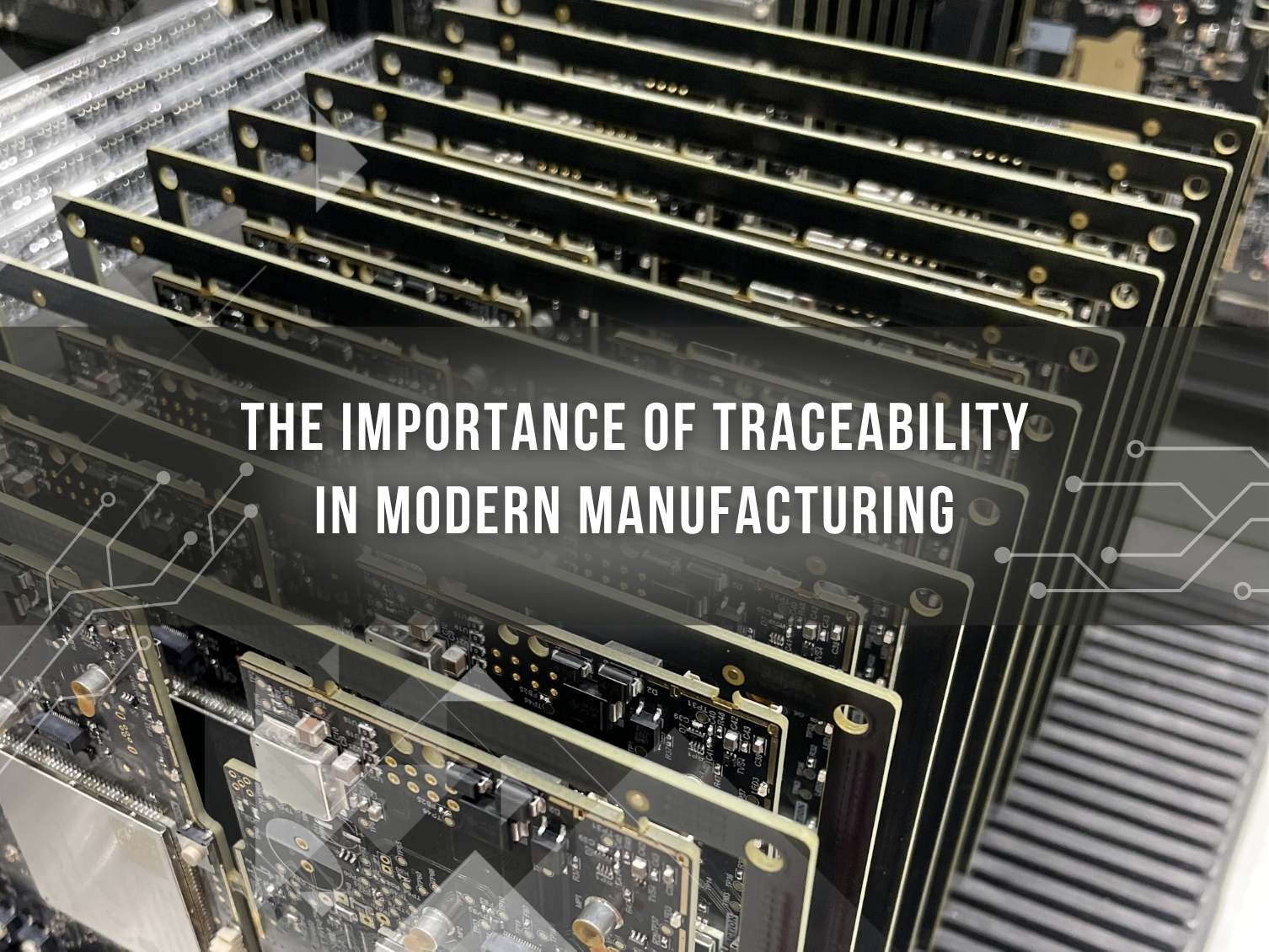
A single unidentified component failure can delay production, trigger warranty claims or compromise an entire supply chain.
For OEMs operating in high-volume manufacturing environments, traceability is no longer optional. Without structured production tracking and documented quality control, small issues can quickly become large-scale operational risks.
When traceability systems are weak, manufacturers and procurement teams face exposure to:
• Unverified material origins
• Inconsistent production batches
• Delayed fault identification
• Increased product recall risk
• Supply chain disruption
• Compliance failures
• Uncontrolled quality variation
In large-scale manufacturing programmes, the ability to isolate a production issue quickly is critical. OEMs require visibility into where components originated, when they were produced, which production line was used and what inspection procedures were completed during manufacturing.
This level of production accountability supports:
• Faster root cause analysis
• Controlled quality assurance
• Reduced operational downtime
• Improved supplier reliability
• Auditable manufacturing records
• Long-term production consistency
Industries operating within regulated and mil-spec aligned environments increasingly prioritise manufacturing partners capable of maintaining disciplined traceability systems across high-volume production runs.
At Jemstech, traceability forms part of a structured manufacturing environment focused on production control, quality assurance and reliable industrial-scale supply for OEM manufacturing programmes.